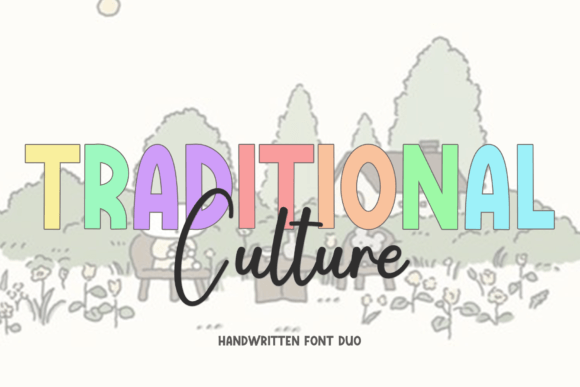
Traditional Culture: The Perfect Typeface for Authentic Branding
As a small business owner, I have learned that the font you choose is just as important as your product itself. It sets the tone before a customer even reads your tagline. When I first discovered Traditional Culture, I knew it was more than just another decorative typeface; it was a tool to bring warmth and personality to my brand identity. This attractive script font brings sweetness and kindness in the middle of it, making it an ideal choice for businesses that want to feel approachable yet professional.
In a market flooded with generic templates, using a unique display font like Traditional Culture helps you stand out. Whether you are designing mugs, t-shirt designs, logo designs, or packaging for handmade goods, this creative font adds a layer of authenticity that customers trust. It transforms standard materials into memorable experiences, ensuring your brand feels personal and crafted with care.
Why Your Business Needs a Distinctive Script Font
Consistency is the backbone of any successful brand. When your visual elements align across all touchpoints, from your physical products to your digital presence, you build credibility. A premium font like Traditional Culture serves as a visual anchor for your business. It communicates a specific mood—one that is kind, inviting, and rooted in tradition without feeling outdated.
For entrepreneurs selling handmade items, such as candles, soaps, or baked goods, the right serif font or script can make the difference between a product that looks mass-produced and one that looks artisanal. Traditional Culture offers that handcrafted feel while maintaining enough structure to remain legible. It allows you to tell a story through your typography, connecting emotionally with your audience before they even interact with your service or product.
Real-World Applications for Small Businesses
The versatility of Traditional Culture makes it suitable for a wide range of business materials. You do not need to be a professional graphic designer to create stunning assets when you have the right design tools and typefaces. Here is how you can integrate this font into your daily operations:
- Logo Design: Use Traditional Culture as the primary element of your logo to instantly convey your brand's personality. Its flowing lines work beautifully for boutique names, café titles, or coaching brands that want to appear friendly and accessible.
- Packaging and Product Labels: For small batch producers, labels are your billboard. Applying this handwritten font style to stickers or tags on jars, boxes, or bags elevates the perceived value of your item. It suggests that someone cared about every detail of your product.
- Social Media Graphics: In the crowded feeds of Instagram and Pinterest, eye-catching headlines stop the scroll. Use Traditional Culture for text overlays on images, promotional banners, or quote graphics to add a touch of elegance to your content strategy.
- Customer-Facing Materials: Thank-you cards, business cards, and menus benefit greatly from this font. Imagine a bakery menu where the dessert names are written in Traditional Culture; it immediately evokes a sense of comfort and indulgence.
- Digital Assets: Website headers, email signatures, and digital download covers can all utilize this typeface to maintain a cohesive look. It bridges the gap between your online store and your physical inventory.
Making the Right Choice for Your Industry
Not every font fits every industry, but Traditional Culture shines in sectors that value connection and craftsmanship. If you run a coffee shop, this font can turn a simple menu board into a warm invitation. For a beauty brand, it can soften the aesthetic of your product packaging, making skincare or cosmetics feel luxurious and gentle. Even service providers like life coaches or consultants can use it to humanize their digital presence, showing they are real people who care about their clients.
The key is alignment. If your brand values are centered on community, kindness, and tradition, then a modern typography style that feels cold or robotic will clash with your message. Traditional Culture fills that gap perfectly, offering a visual language that speaks directly to your target customers' desire for genuine interactions.
Readability and Practical Usage Tips
While aesthetics are crucial, functionality cannot be ignored. One common concern with script fonts is readability, especially on small scales. Traditional Culture strikes a balance between artistic flair and clarity, but it is best used strategically. Think of it primarily as a headline, logo, or display font rather than body text.
When designing product labels for small bottles or social media thumbnails, ensure the text size is large enough to be read easily on mobile screens. Avoid wrapping long paragraphs in this typeface. Instead, use it for short phrases, titles, or key messages. For longer descriptions, such as ingredient lists or service details, pair it with a clean sans serif font. This combination ensures that your design remains visually interesting while remaining easy to scan and understand.
Simple Font Pairing Strategies
To maximize the impact of Traditional Culture, consider pairing it with a complementary typeface. A classic rule of thumb in font pairing is to contrast styles. Since Traditional Culture is expressive and decorative, it works exceptionally well alongside a neutral, geometric sans serif font. This creates a hierarchy where the script draws attention to the brand name, while the supporting text provides clear information.
For example, you might use Traditional Culture for the main title on a flyer and a clean sans serif font for the date, location, and contact details. This approach keeps your design looking professional and organized. Alternatively, if you prefer a more classic look, pairing it with a traditional serif font can enhance the "traditional" aspect of the name, creating a sophisticated and timeless brand identity.
Testing and Licensing for Commercial Success
Before committing to a full rebrand, test Traditional Culture in various contexts. Create mockups of your logo, a sample product label, and a social media post. Print them out to see how they look in black and white versus color, and view them on different screen sizes. This practical testing phase helps you confirm that the font conveys the intended message and maintains readability in real-world scenarios.
It is also vital to respect intellectual property rights. As a business owner, you must check the commercial font licensing agreement before using Traditional Culture on products for sale, packaging, merchandise, client work, or digital downloads. Most premium fonts come with specific terms regarding how they can be used in commercial projects. Ensuring you have the correct license protects your business from legal issues and supports the designers who created these valuable design assets.
By thoughtfully integrating Traditional Culture into your branding strategy, you are investing in a visual identity that resonates with your audience. It helps your small business look consistent, professional, and trustworthy across every interaction. Whether you are updating your website visuals, designing new packaging, or crafting marketing materials, this font offers the sweetness and kindness needed to build lasting connections with your customers.